


The global cabinet industry has become increasingly competitive over the past decade. Consumers now expect more than attractive cabinet designs. They demand smooth drawer operation, durable hinges, intelligent storage systems, and premium user experiences. As a result, furniture hardware has become one of the most important components influencing cabinet quality and brand reputation.
To remain competitive, cabinet manufacturers must build supply chains that balance quality, innovation, scalability, and cost efficiency. This is one of the primary reasons why many leading cabinet brands source furniture hardware from China.
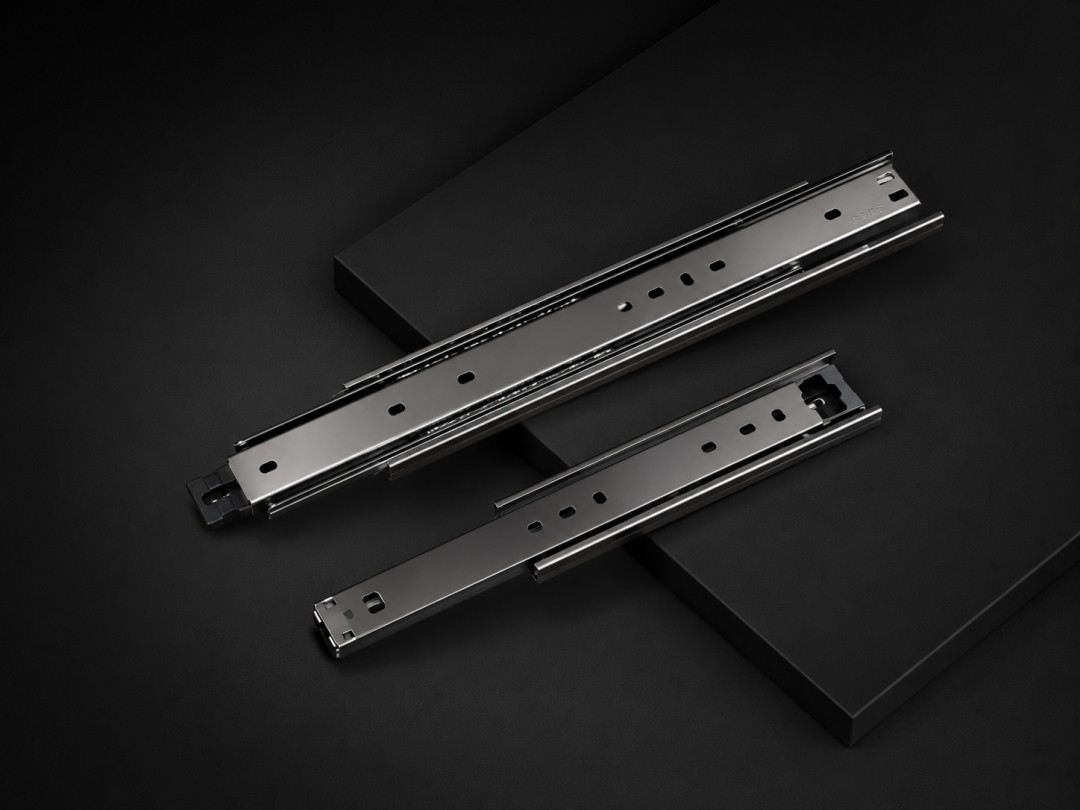
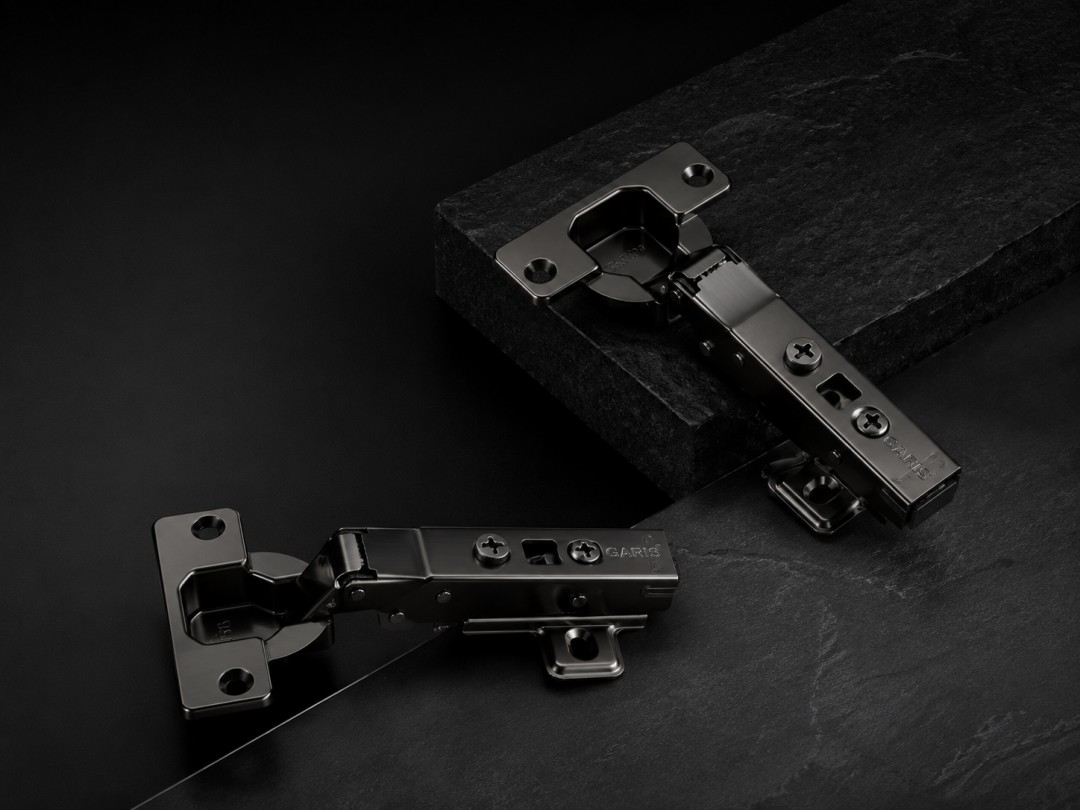
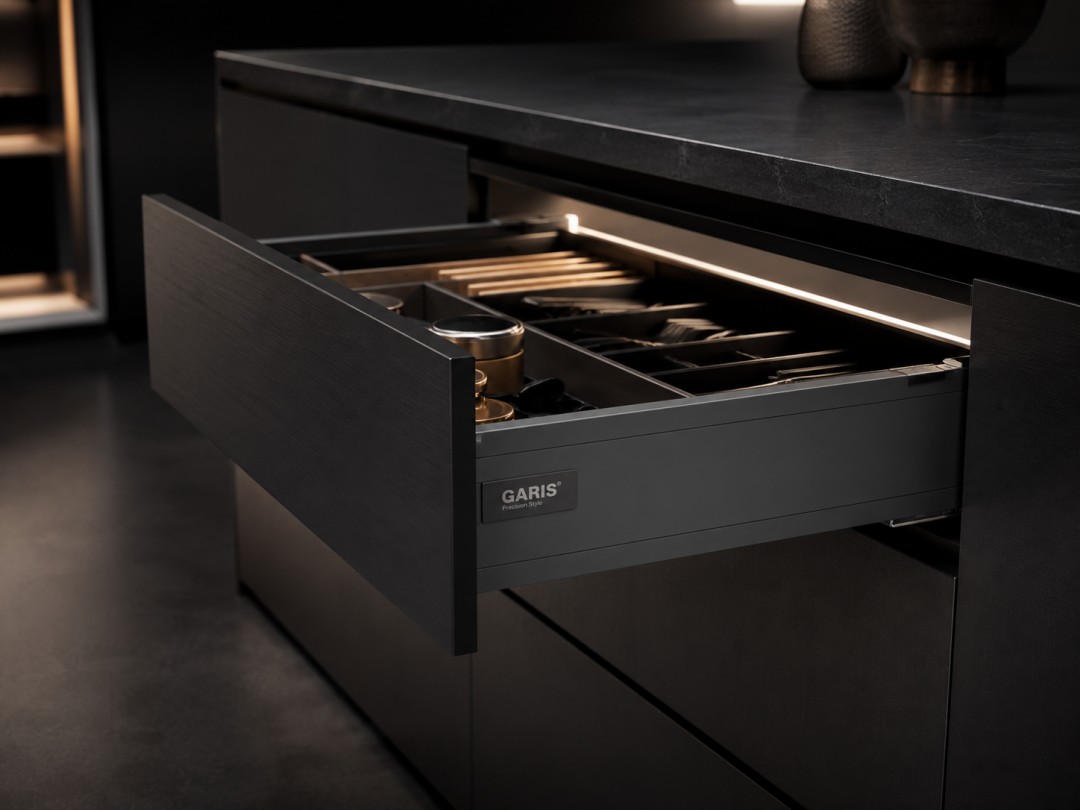
China is no longer viewed solely as a low-cost manufacturing destination. Today, it is one of the world’s most advanced furniture hardware production centers, supporting cabinet brands across North America, Europe, Australia, the Middle East, and Southeast Asia. From drawer systems and drawer slides to hinges and lift-up mechanisms, Chinese manufacturers have become key partners in the global cabinet industry.
Understanding why international brands continue to choose Chinese hardware suppliers can help buyers make more informed sourcing decisions and build stronger long-term supply chains.
The Evolution of China’s Furniture Hardware Industry
China’s furniture hardware industry has undergone significant transformation over the last twenty years.
What began as a cost-driven manufacturing sector has evolved into a technology-driven industry supported by automation, precision engineering, and advanced production systems.
Many modern Chinese manufacturers now operate facilities equipped with:
●Automated stamping lines
● CNC machining centers
● Robotic welding systems
● Precision testing laboratories
● Intelligent assembly systems
From Manufacturing Capacity to Manufacturing Expertise
Global buyers increasingly recognize that China’s competitive advantage is no longer limited to production volume.
Today, engineering expertise and product innovation are equally important strengths.
Serving International Markets
Many Chinese furniture hardware manufacturers have years of experience working with international cabinet brands, helping them meet various market requirements and regulatory standards.
Why Supply Chain Efficiency Matters in Cabinet Manufacturing
Cabinet production depends on consistent hardware availability.
A delay in hardware supply can disrupt entire production schedules.
Integrated Manufacturing Ecosystems
One of China’s strongest advantages is its highly integrated industrial supply chain.
Hardware manufacturers often operate within specialized industrial clusters that provide:
● Raw materials
● Surface treatment services
●Precision tooling
● Packaging suppliers
●Logistics support
Faster Production Cycles
This ecosystem allows manufacturers to shorten lead times and respond quickly to changing market demands.
Product Innovation Has Become a Key Competitive Advantage
Modern cabinet buyers expect more sophisticated hardware solutions.
Consumers increasingly demand:
● Soft-close functionality
● Push-to-open systems
● Slim drawer systems
● Hidden runners
● Intelligent storage solutions
R&D Investment Drives Innovation
Leading Chinese manufacturers invest heavily in product development.
These investments help create solutions that align with global design trends.
Supporting Custom Product Development
Many suppliers actively collaborate with cabinet brands during product development stages.
This creates opportunities for exclusive products and market differentiation.
Quality Standards Have Improved Significantly
One of the most common misconceptions about Chinese manufacturing is that lower costs automatically mean lower quality.
The reality is very different.
Many furniture hardware manufacturers now implement strict quality management systems.
Quality Control Process Overview
|
Inspection Stage |
Purpose |
|
Raw Material Inspection |
Material Consistency |
|
Component Testing |
Dimensional Accuracy |
|
Assembly Inspection |
Functional Reliability |
|
Durability Testing |
Lifecycle Validation |
|
Final Inspection |
Shipment Quality Assurance |
International Certifications Build Confidence
Manufacturers increasingly comply with:
● ISO 9001
● SGS Testing Standards
●RoHS Requirements
● BIFMA Standards
These certifications help ensure consistency and reliability.
Cost Efficiency Extends Beyond Product Pricing
Many buyers initially focus on unit cost when evaluating suppliers.
However, total procurement cost involves much more than purchase price.
Total Cost of Ownership Matters
Reliable hardware can reduce:
● Product returns
● Warranty claims
●Replacement costs
● Customer complaints
Manufacturing Scale Improves Efficiency
Large-scale production helps manufacturers optimize material utilization and improve cost control without sacrificing quality.
OEM and ODM Services Support Global Brands
Customization has become increasingly important in the furniture industry.
Many brands seek products that reflect their own identity rather than generic market offerings.
OEM Services
OEM services may include:
●Custom logos
●Product modifications
● Packaging design
● Exclusive finishes
ODM Services
ODM capabilities allow manufacturers to participate in product development and engineering optimization.
Customization Comparison
|
Service Type |
Main Purpose |
|
OEM |
Brand Customization |
|
ODM |
Product Development |
|
Private Label |
Market Differentiation |
|
Joint Development |
Long-Term Innovation |
China Supports Both Large and Small Buyers
Another advantage of Chinese manufacturers is flexibility.
Not every buyer requires container-level purchasing volumes.
Supporting Growing Brands
Many suppliers offer scalable production solutions that support startup brands as well as multinational corporations.
Flexible Manufacturing Capacity
Production systems can often accommodate both small trial orders and large-volume projects.
Global Design Trends Continue to Strengthen China’s Position
The furniture industry is evolving rapidly.
Several trends are increasing demand for advanced furniture hardware.
Minimalist Cabinet Design
Modern cabinet systems increasingly emphasize clean aesthetics and hidden functionality.
Smart Home Integration
Consumers are becoming more interested in intelligent furniture systems.
This creates new opportunities for hardware innovation.
Industry Trend Outlook
|
Trend |
Growth Potential |
|
Slim Drawer Systems |
High |
|
Smart Hardware |
High |
|
Soft-Close Solutions |
High |
|
Hidden Hardware |
High |
|
Sustainable Manufacturing |
Growing |
Long-Term Supplier Relationships Create More Value
Many successful cabinet brands do not treat hardware suppliers as simple vendors.
Instead, they build long-term strategic partnerships.
Collaboration Improves Product Development
Close supplier relationships often accelerate innovation and improve product quality.
Stability Supports Business Growth
Long-term partnerships help reduce procurement risks and improve supply chain resilience.
Why Chinese Hardware Manufacturers Remain Competitive in the Future
China’s furniture hardware industry continues to evolve through technology, automation, and innovation.
Manufacturers are investing in:
●Smart production systems
● Sustainable manufacturing
● Advanced testing equipment
● Product engineering
These investments strengthen China’s position within the global furniture hardware market.
Future Growth Will Be Driven by Technology
The next stage of industry development will focus on precision engineering, intelligent hardware, and user-centered design.
Conclusion
Global cabinet brands continue to source furniture hardware from China because the country offers far more than competitive pricing. Modern Chinese manufacturers provide advanced engineering capabilities, reliable quality systems, flexible OEM and ODM services, integrated supply chains, and strong product innovation.
As cabinet markets become increasingly competitive, brands need suppliers that can support both current requirements and future growth. For many international buyers, Chinese furniture hardware manufacturers have become strategic partners that contribute directly to product quality, operational efficiency, and long-term business success.
FAQ
Why do cabinet brands source furniture hardware from China?
Chinese manufacturers offer a combination of quality, innovation, production capacity, customization, and cost efficiency.
Is furniture hardware from China reliable?
Many leading manufacturers implement strict quality control systems and comply with international certification standards.
What furniture hardware products are commonly sourced from China?
Drawer systems, drawer slides, hinges, lift-up systems, storage accessories, and cabinet fittings are among the most common products.
What is the difference between OEM and ODM services?
OEM focuses on brand customization, while ODM includes product development and engineering support.
How can buyers evaluate a furniture hardware supplier?
Buyers should review manufacturing capabilities, certifications, quality systems, production capacity, and customer references.
Why are long-term supplier relationships important?
Long-term partnerships improve communication, innovation, quality consistency, and supply chain stability.
Post time: Jun-25-2026


