


Introduction
These days, more and more furniture makers are turning to slim drawer systems in place of conventional drawer boxes. With side profiles measuring just 13 mm in thickness, along with fully extendable concealed slides and built-in soft-closing mechanisms, these units free up roughly 15% additional interior space while still managing dynamic weight capacities of 40 kg and 70 kg. The result is a product that delivers both practical function and visual appeal—which helps explain why slim drawers have become so popular in modern kitchen designs, closet systems, and living room storage solutions.
For anyone involved in furniture production, wholesale distribution, or project planning, getting a handle on how slim drawer systems are engineered is key to making smart hardware choices. After all, the goal is to find components that strike the right balance between good looks, ruggedness, and reliable performance over years of daily use.
What Exactly Is a Slim Drawer System?
Put simply, a slim drawer system is a contemporary approach to drawer construction. Its standout features include slim steel side panels, hidden slide mechanisms, and a layout that makes the most of every inch of interior space.
Where older metal drawer designs tend to have thick, heavy sidewalls, this newer technology takes a different route. By using precision-engineered steel profiles, manufacturers can cut down on side thickness without sacrificing the structural rigidity or the smooth, stable glide action that users expect.
A typical modern slim drawer setup brings together several key components, including:
– Drawer slide mechanisms
– Damped soft-close functionality
– Full-extension runner systems
– Synchronized movement controls
– Optional glass side-panel extensions
– A range of interior dividers and organizing inserts
The result is a drawer system that delivers both visual elegance and practical functionality.
Why Furniture Manufacturers Prefer Slim Drawer Systems
 |
VS |
 |
More Usable Storage Space
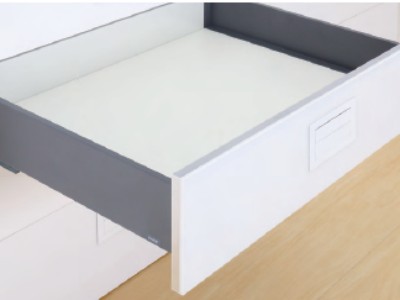
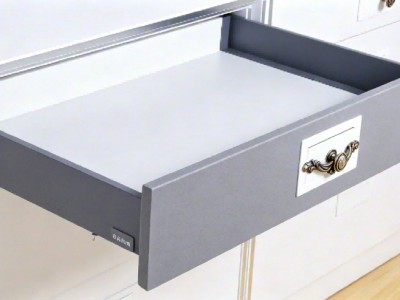
A major selling point of slim drawer design is how well it makes use of available space. Top-tier systems on the market usually come with sidewall thicknesses ranging from 12.8 mm to 13 mm. When you stack that up against conventional drawer boxes, the slimmer side profiles leave more room for actual storage inside the same cabinet footprint. For companies that build kitchen cabinetry, even modest improvements in storage efficiency can give their products a real edge in a crowded marketplace
Modern Aesthetic Appeal
Minimalist furniture design remains a dominant trend across Europe, North America, and Asia.
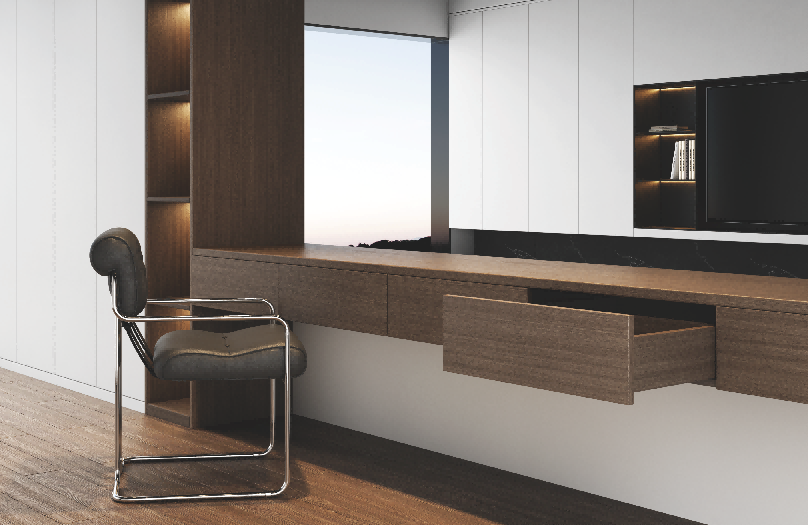
The slim side profile creates:
- Cleaner visual lines
- A lighter appearance
- Reduced visual bulk
- Premium furniture aesthetics
This design philosophy has become particularly popular in contemporary kitchen and wardrobe collections.
Improved User Experience
Consumers interact with drawers daily.
A drawer that opens smoothly, remains stable under load, and closes quietly contributes significantly to perceived furniture quality.
As a result, drawer performance is increasingly viewed as a key element of product design rather than merely a functional requirement.
Core Components of a Slim Drawer System
Ultra-Slim Steel Side Profiles
The side profile is essentially the backbone of the entire drawer structure. Top-quality systems tend to rely on cold-rolled steel that’s shaped through precise forming techniques. This approach brings a handful of real benefits—better stiffness, less risk of warping or bending over time, greater long-term dependability, and a higher weight limit overall.
Concealed Undermount Runner Systems
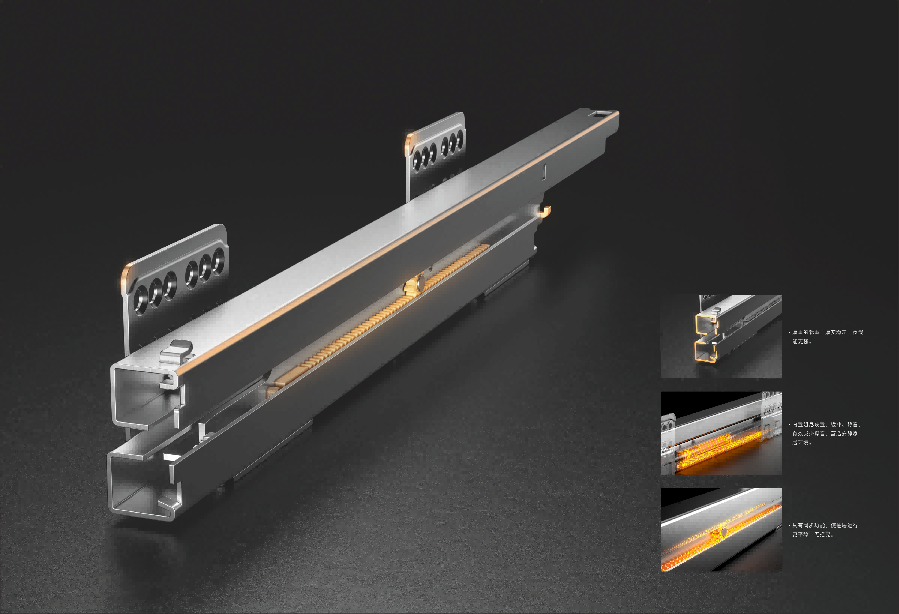
In modern slim cabinet designs, the slides are tucked away underneath the cabinet floor, out of sight. This undermount setup comes with its own set of perks: it keeps dust and debris from settling on the hardware, leaves the interior looking clean and uncluttered with no visible metal parts, cuts down on noise during operation, and minimizes wobble or side-to-side play when the drawer moves in and out. The quality of the runner mechanism, in the end, has a direct impact on how well the whole drawer performs day after day.
Integrated Soft-Close Technology
Soft sealing systems use hydraulic or mechanical fluid devices to absorb kinetic energy during sealing.
This technology provides:
- Controlled closing action
- Reduced impact force
- Lower operational noise
- Increased hardware lifespan
In premium furniture projects, soft-close functionality has become an expected standard rather than an optional upgrade.
Industry Benchmarks: What Defines a Premium Slim Drawer System?
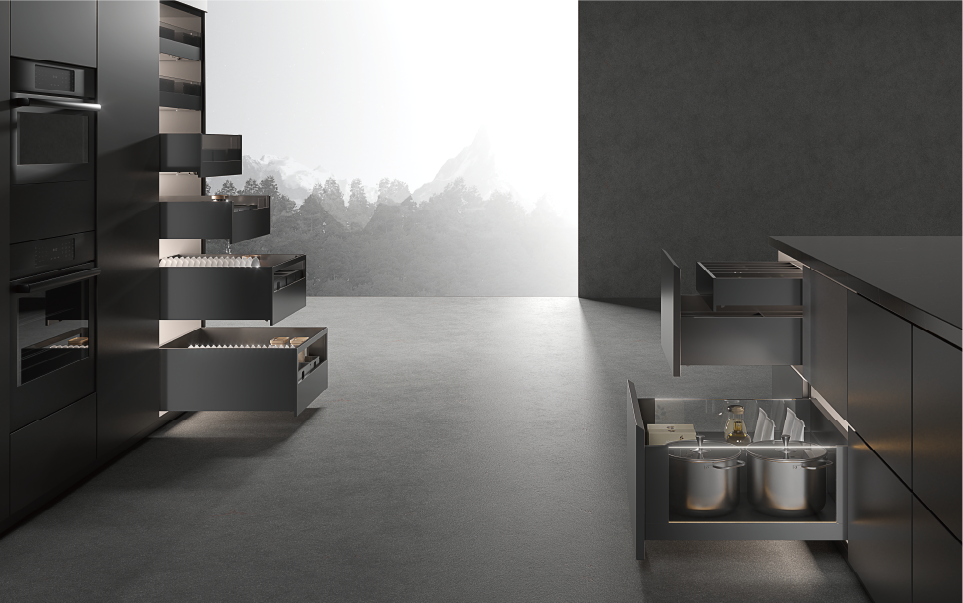
When evaluating suppliers, appearance alone is not enough. Professional buyers typically assess products based on measurable technical indicators.
12.8–13 mm Ultra-Slim Side Profiles
Leading drawer systems available today commonly utilize side profiles between 12.8 mm and 13 mm thick.
This dimension has become an industry benchmark for achieving the ideal balance between aesthetics, storage efficiency, and structural strength.
40 kg and 70 kg Load Categories
Premium slim drawer systems are generally available in two major load classifications:
- 40 kg for standard residential applications
- 70 kg for heavy-duty storage requirements
These capacities accommodate a wide range of furniture applications, from kitchen utensils and cookware to pantry storage and commercial projects.
60,000–100,000 Cycle Testing
When it comes to gauging how long a product will hold up, lifecycle testing is still one of the key benchmarks that matter most. High-end drawer systems intended for professional use are typically put through their paces at several cycle counts—60,000, 80,000, and 100,000 being fairly common thresholds. These simulations are meant to mirror years’ worth of regular opening and closing, giving manufacturers and buyers alike a solid sense of whether the hardware can be trusted for the long haul.
Synchronization Technology for Wide Drawers
As modern furniture designs increasingly feature wider drawers, synchronization systems have become more important.
These mechanisms coordinate movement between both runner sides, helping to:
- Reduce drawer racking
- Improve motion stability
- Maintain smooth operation under uneven loads
Wide-drawer stability is now considered a critical performance criterion by furniture manufacturers worldwide.
Corrosion Resistance Verification
When hardware ends up in damp settings, it has to hold up against moisture day in and day out over an extended period. Salt spray testing is the standard method used to gauge how well a finish resists corrosion. The industry usually looks at a few different time benchmarks—24 hours, 48 hours, 72 hours, 96 hours, and sometimes 120 hours or beyond. In most cases, the longer a product holds up in these tests, the tougher its coating is and the better shielded it is from rust and oxidation down the road.
Engineered for Strength and Stability
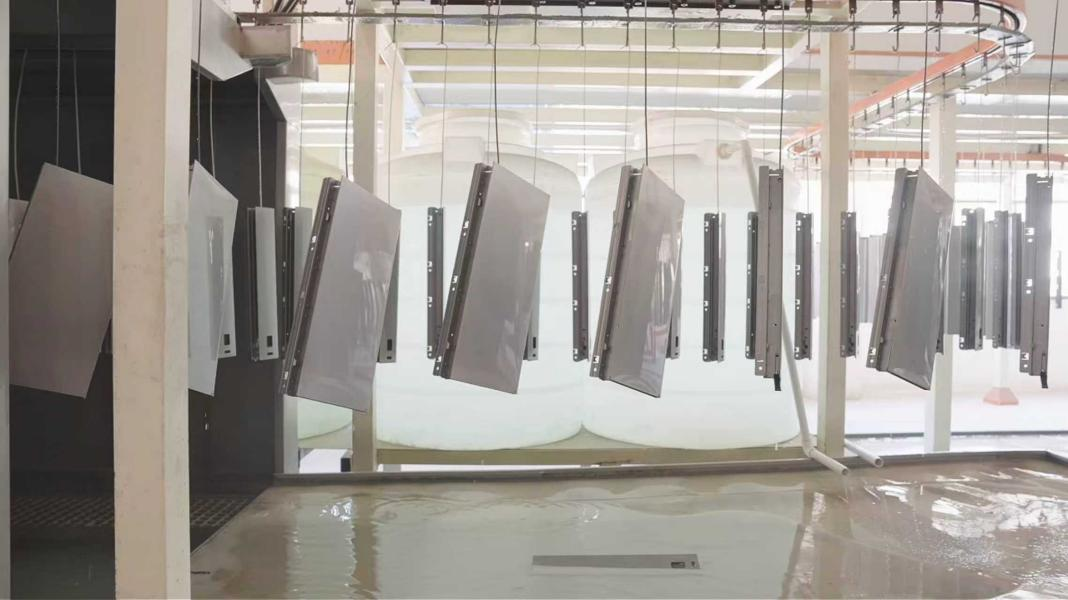
A slim appearance should never compromise structural performance.
Modern slim drawer systems combine advanced material engineering with precision manufacturing to achieve excellent stability even under demanding conditions.
High Dynamic Load Performance
High-end drawer systems are built to stay smooth and easy to operate even when they’re carrying a fair amount of weight. Depending on the specific setup, these units can typically handle loads of 35 kg, 40 kg, or up to 70 kg. This kind of load-bearing performance really comes into its own in kitchen settings, where drawers are often called on to hold heavy pots and pans, cooking tools, and various pantry goods on a daily basis.
Long-Term Running Smoothness
Operational smoothness depends on several factors:
- Runner precision
- Synchronization technology
- Damping performance
- Installation accuracy
Together, these elements determine the quality of the user experience throughout the product lifecycle.
Flexible Storage Solutions for Modern Furniture
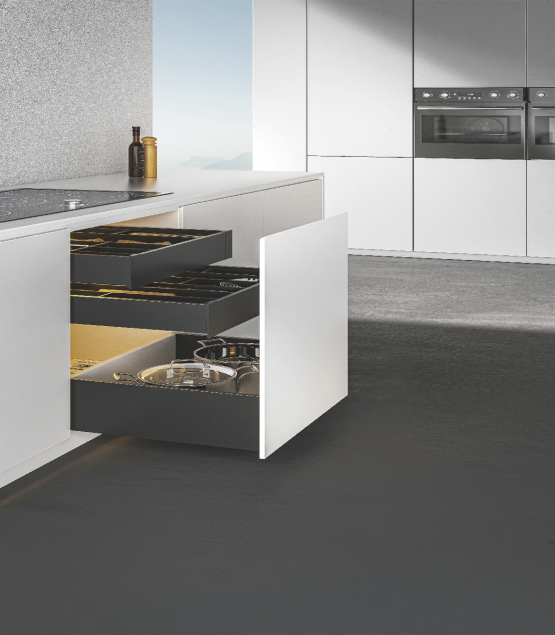
These days, furniture manufacturers are looking for more flexibility than ever before. A well-designed slim drawer platform ought to offer a range of setup options to suit different needs.
Multiple Drawer Heights
Depending on what’s being stored, the system should accommodate various drawer heights—whether it’s for keeping cutlery organized, tidying up the pantry, stashing pots and pans, or arranging closet accessories.
Glass Side Extensions
Adding glass panels to the sides gives drawers extra height for bulkier items, all while keeping the look polished and upscale.
Internal Organization Systems
Modern drawer platforms increasingly come with built-in organizational add-ons, such as cutlery trays, adjustable dividers, storage bins, and modular inserts. With these extras, a simple drawer turns into a fully fledged storage solution that keeps everything in its place.
Applications Across Multiple Furniture Segments
Kitchen Cabinets
Ideal for:
- Cutlery organization
- Cookware storage
- Pantry systems
Wardrobes
Suitable for:
- Folded clothing
- Jewelry storage
- Accessories
Bathroom Furniture
Provides efficient storage while maintaining a clean appearance.
Living Room and Office Furniture
Combines modern aesthetics with practical functionality.
What Professional Buyers Look for When Selecting a Supplier
Furniture manufacturers and importers increasingly evaluate suppliers based on more than price alone.
Key decision-making factors include:
Product Performance
- Load capacity
- Stability
- Soft-close quality
- Easy installation
- Fast assembly
- Adjustable components
Manufacturing Efficiency
Quality Verification
Professional buyers commonly request:
- Cycle testing reports
- Salt spray test reports
- Load testing documentation
- SGS certifications
Production Consistency
Automated manufacturing, precision tooling, and rigorous quality control processes are essential for ensuring stable product quality across large-volume orders.
Manufacturers such as Garis continue to invest in concealed slide and drawer system development, reflecting the industry’s growing focus on motion performance, installation efficiency, and long-term durability.
Future Trends in Slim Drawer Technology
Several trends are expected to shape the next generation of drawer systems.
Smarter Motion Systems
Electronic opening assistance and touch-activated technology are becoming increasingly common in premium furniture.
Stronger Yet Lighter Structures
Advances in material engineering continue to improve strength-to-weight ratios.
Sustainable Manufacturing
Furniture brands increasingly prioritize environmentally responsible materials and production methods.
Integrated Storage Ecosystems
Future drawer systems will continue evolving into complete storage solutions that combine organization, accessibility, and intelligent functionality.
Conclusion
A small drawer system is a great advancement in home appliance design. The combination of outstanding aesthetics, secure storage capacity, hidden floor technology, and lightweight functionality makes for a simple and functional design.
When choosing a distribution system, customers should consider not only price but also performance indicators such as storage capacity, load sharing, integration technology, and reliability.
As the global appliance market continues to embrace high-quality smart appliances and innovation, smaller drawer technology is expected to drive high-end home appliances in 2026 and beyond.
Frequently Asked Questions
What is the standard side thickness of a slim drawer system?
Most premium systems utilize side profiles between 12.8 mm and 13 mm.
What load capacity is suitable for residential furniture?
For most residential applications, 40 kg is sufficient. Heavy-duty storage applications may require 70 kg systems.
How many cycles should a quality drawer system achieve?
Professional systems are commonly tested between 60,000 and 100,000 cycles.
Can slim drawer systems be used outside the kitchen?
Yes. They are widely used in wardrobes, bathrooms, living room furniture, and office storage solutions.
Contact Us
Looking for a reliable Slim Drawer System manufacturer or OEM partner?
Contact us for product catalogs, technical specifications, samples, and customized furniture hardware solutions.

Post time: Jun-30-2026


