


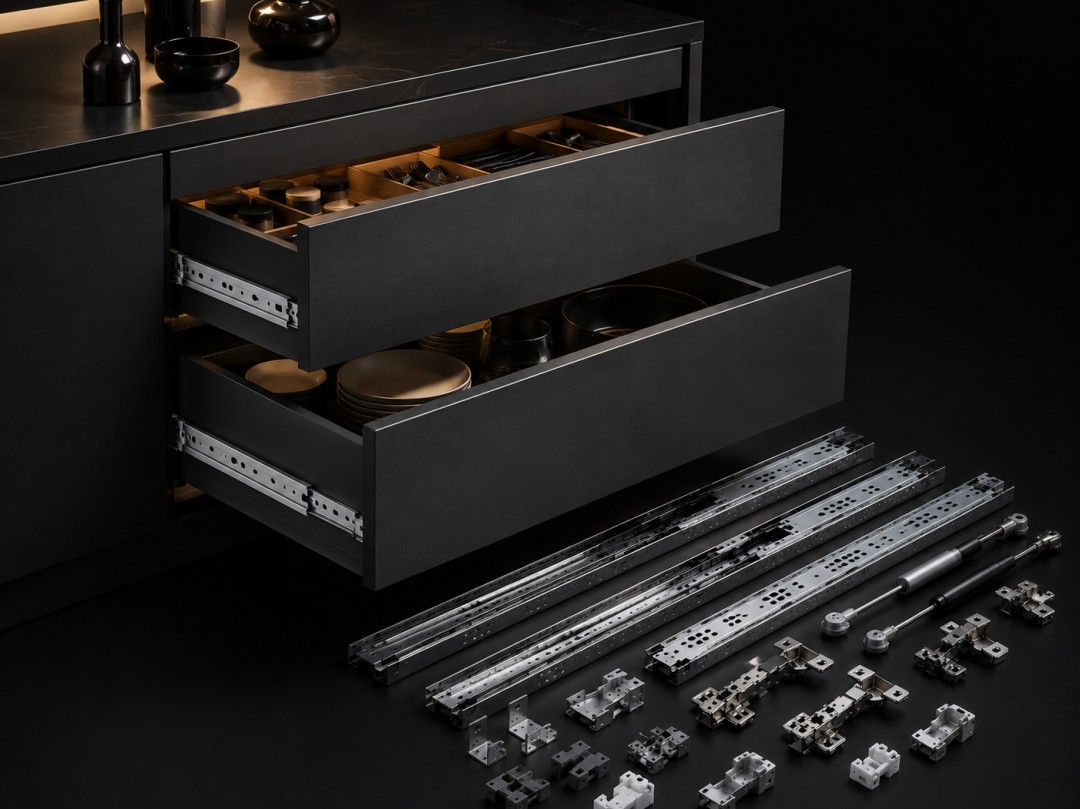
In today’s highly competitive furniture industry, product design alone is no longer enough to create a successful brand. Consumers increasingly pay attention to product quality, durability, functionality, and user experience. Behind many of these factors lies a component that is often overlooked but critically important—furniture hardware.
Drawer systems, hinges, runners, lifting mechanisms, cabinet fittings, and storage accessories directly affect the performance and lifespan of furniture products. Even the most beautifully designed cabinet can generate customer complaints if the hardware fails after a short period of use.
For furniture brands, cabinet manufacturers, importers, and distributors, selecting the right furniture hardware manufacturer is one of the most important procurement decisions they will make. A reliable supplier not only provides quality products but also contributes to product innovation, supply chain stability, and long-term business growth.
This guide explores the key factors buyers should evaluate when selecting a furniture hardware manufacturer and explains why strategic supplier partnerships are becoming increasingly important in today’s global furniture market.
Why Furniture Hardware Has Become a Critical Competitive Factor
Modern consumers expect furniture products to perform smoothly for many years.
Soft-closing drawers, silent hinges, concealed runners, and intelligent storage solutions have become standard expectations rather than premium upgrades.
As a result, furniture hardware now plays a major role in determining:
● Product quality perception
●User satisfaction
● Warranty costs
●Brand reputation
●Long-term customer loyalty
Hardware Is Often the Most Frequently Used Component
Many furniture users interact with drawer systems and hinges multiple times every day.
This repeated usage places significant demands on hardware durability and performance.
Understanding the Difference Between Manufacturers and Traders
One of the first challenges buyers face is identifying whether they are dealing with a genuine manufacturer or a trading company.
While both models can be valuable, understanding the difference helps buyers make informed decisions.
Advantages of Working Directly with Manufacturers
Direct manufacturers often provide:
●Better pricing
● Faster communication
● Stronger customization capabilities
● Improved quality control
● More efficient technical support
When Trading Companies May Be Useful
Trading companies can simplify sourcing when buyers require products from multiple categories.
However, understanding the actual production source remains important.
Product Quality Should Always Be the First Evaluation Criterion
Price often receives significant attention during procurement discussions.
However, focusing exclusively on cost can create long-term risks.
A quality hardware system improves:
● Product lifespan
● Customer satisfaction
●Brand reputation
● Warranty performance
Consistency Matters More Than Individual Samples
Many suppliers can provide attractive samples.
The real challenge is maintaining consistent quality across thousands of units and multiple production batches.
Manufacturing Capability Reveals Long-Term Potential
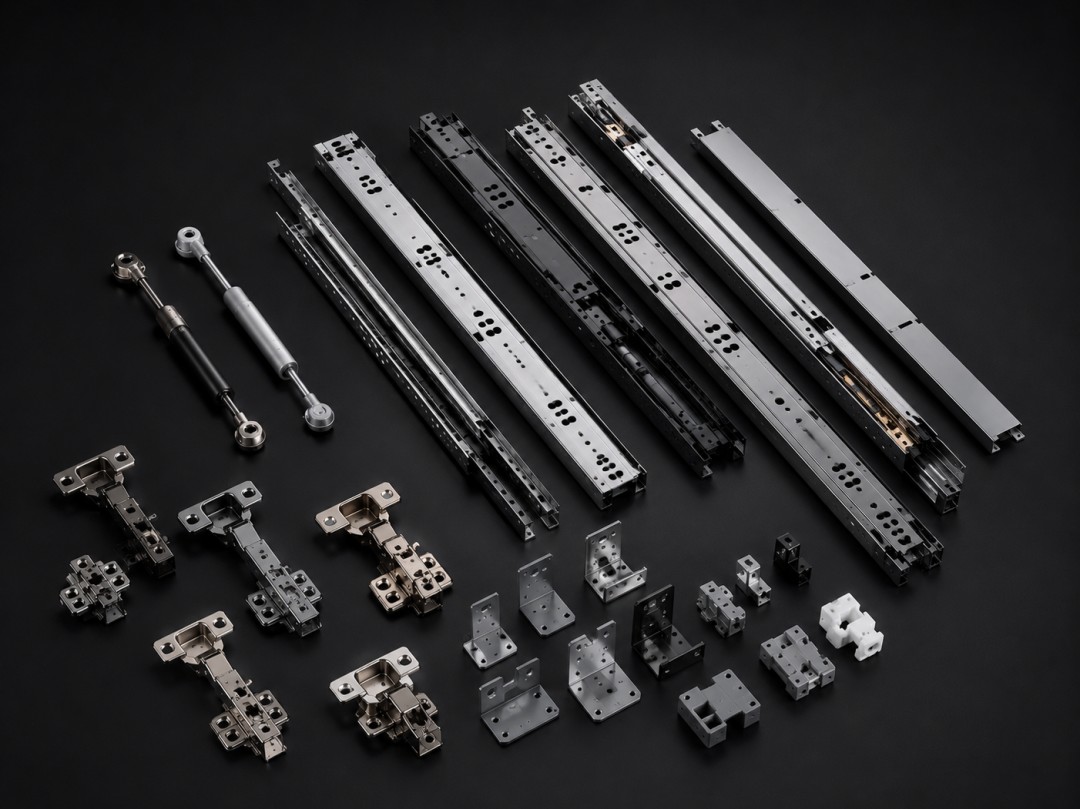
A supplier’s manufacturing capability directly influences product quality and delivery performance.
Professional furniture hardware manufacturers typically invest heavily in:
●Automated production lines
●Precision stamping equipment
● CNC machining centers
●Testing laboratories
●Surface treatment systems
Manufacturing Evaluation Checklist
|
Evaluation Area |
Importance |
|
Production Capacity |
High |
|
Automation Level |
High |
|
Testing Equipment |
High |
|
Engineering Team |
High |
|
R&D Capability |
Medium-High |
Modern manufacturing technologies help reduce production variation and improve reliability.
Certifications and Quality Management Systems Matter
Reliable furniture hardware manufacturers typically implement strict quality management systems.
Common certifications include:
●ISO 9001
●SGS Testing
● RoHS Compliance
● BIFMA Standards
● EN Standards
These certifications provide buyers with additional confidence regarding product quality and manufacturing processes.
Certifications Are Indicators, Not Guarantees
While certifications are valuable, buyers should also evaluate actual production processes and quality control systems.
Product Development Capability Creates Competitive Advantages
Furniture trends continue to evolve rapidly.
Manufacturers with strong R&D capabilities can help customers develop innovative products and respond to changing market demands.
Innovation Drives Market Growth
Examples of modern hardware innovations include:
● Soft-close systems
● Push-to-open mechanisms
● Slim drawer systems
● Smart storage solutions
● Hidden runners
Suppliers that continuously innovate help customers maintain market competitiveness.
OEM and ODM Services Support Brand Growth
Many furniture brands seek differentiated products rather than generic hardware solutions.
OEM and ODM services allow manufacturers to support customized development projects.
These services may include:
●Custom branding
●Product modifications
● Packaging design
● Technical optimization
● Exclusive product development
Customization Strengthens Brand Positioning
Unique hardware solutions can help furniture brands stand out in highly competitive markets.
Supply Chain Stability Is More Important Than Ever
Global supply chains have experienced significant disruptions in recent years.
As a result, buyers increasingly prioritize supplier reliability.
Important considerations include:
● Inventory management
● Raw material sourcing
● Production scheduling
●Delivery performance
Supply Chain Risk Factors
|
Factor |
Impact on Buyers |
|
Material Shortages |
Delivery Delays |
|
Production Constraints |
Reduced Capacity |
|
Logistics Disruptions |
Increased Costs |
|
Poor Planning |
Missed Deadlines |
Reliable Suppliers Reduce Operational Risk
Stable suppliers help buyers avoid production interruptions and customer dissatisfaction.
Long-Term Partnerships Deliver Greater Value
Many successful furniture brands view suppliers as strategic partners rather than simple vendors.
Long-term relationships often create advantages such as:
● Better communication
●Faster problem solving
● Joint product development
● Improved pricing stability
● Stronger market responsiveness
Collaboration Creates Sustainable Growth
Partnerships built on trust and mutual benefit often outperform short-term purchasing relationships.
Future Trends Shaping the Furniture Hardware Industry
The furniture hardware industry continues to evolve.
Several trends are expected to influence future development.
|
Trend |
Growth Potential |
|
Smart Furniture Hardware |
High |
|
Premium Drawer Systems |
High |
|
Concealed Hardware |
High |
|
Sustainable Manufacturing |
Medium-High |
|
Intelligent Storage Solutions |
High |
|
Lightweight Designs |
Growing |
User Experience Will Continue to Drive Innovation
Future hardware development will increasingly focus on convenience, functionality, and seamless integration.
Conclusion
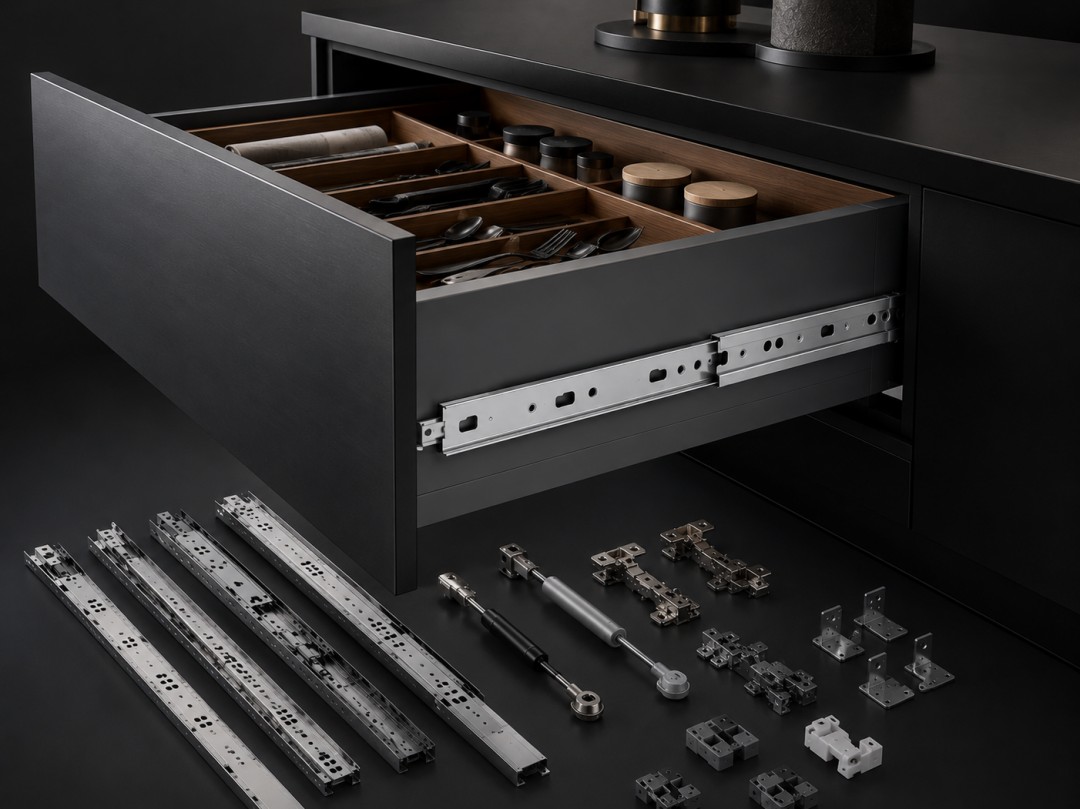
Choosing a reliable furniture hardware manufacturer is about far more than obtaining competitive pricing. Product quality, manufacturing capability, innovation, supply chain stability, and long-term support all play essential roles in successful supplier relationships.
As furniture markets become increasingly competitive, brands that partner with experienced and reliable hardware manufacturers are better positioned to deliver superior products, reduce operational risks, and build stronger customer loyalty. A carefully selected supplier can become a valuable strategic partner that contributes directly to long-term business success.
FAQ
What is the most important factor when choosing a furniture hardware manufacturer?
Product quality and consistency are generally the most important considerations because they directly affect customer satisfaction and brand reputation.
How can I verify a manufacturer’s production capability?
Factory audits, production line inspections, testing facilities, and certification reviews are common evaluation methods.
Why are OEM services important for furniture brands?
OEM services allow brands to create customized products and strengthen market differentiation.
What certifications should furniture hardware manufacturers have?
Common certifications include ISO 9001, SGS, RoHS, BIFMA, and relevant regional standards.
How does supply chain stability affect furniture manufacturers?
Stable supply chains reduce delivery risks, improve planning accuracy, and help maintain customer satisfaction.
What trends are shaping the future of furniture hardware?
Smart hardware, concealed systems, premium drawer solutions, and intelligent storage technologies are among the fastest-growing trends.
Post time: Jun-22-2026


