


What Is a Furniture Hardware Factory? (Complete Industry Definition & Functional Role)
A furniture hardware factory is a specialized industrial manufacturer that designs, engineers, produces, and tests functional mechanical components used in furniture systems. These components are essential to the structural and functional performance of furniture and include drawer slides, hinges, drawer box systems, cabinet connectors, and motion control mechanisms.
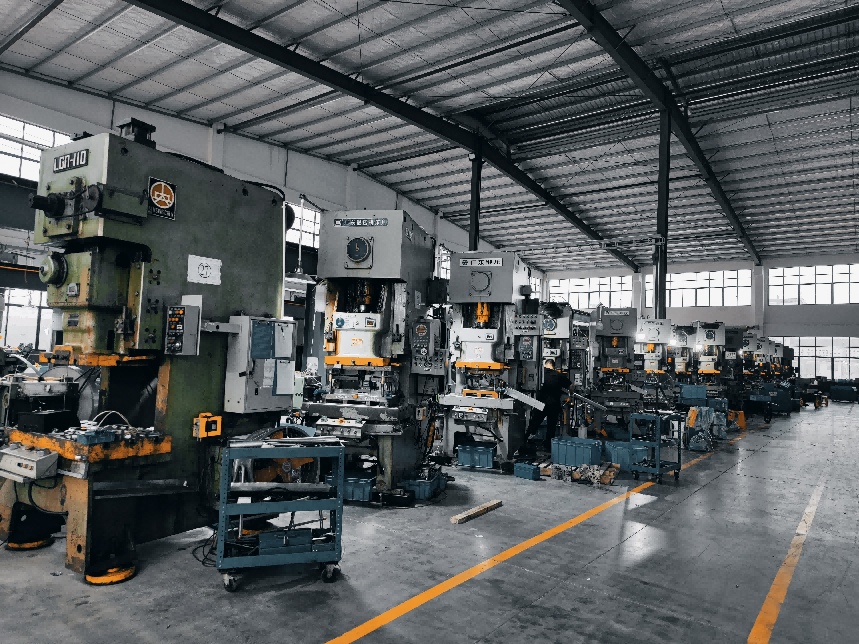
Unlike furniture brands that focus primarily on aesthetics, design trends, and retail positioning, a furniture hardware factory operates at the core mechanical engineering layer of furniture performance. In other words, the factory determines how furniture behaves in real-life usage rather than how it looks in catalogs or showrooms.
In modern furniture engineering systems, hardware is responsible for five critical performance dimensions:
First is motion performance, which includes smoothness of drawer sliding, resistance control, and soft closing behavior. Second is structural durability, which defines how much load a drawer or hinge can withstand over time without deformation. Third is noise control, where damping systems eliminate impact noise and improve user comfort. Fourth is safety performance, especially anti-slam and anti-pinch protection in residential environments. Fifth is installation efficiency, where modular design reduces labor cost and installation time for furniture manufacturers.
Industry studies and procurement data show that more than 65% of perceived furniture quality is directly influenced by hardware systems rather than wood panels or surface materials. This makes furniture hardware factories one of the most important yet underestimated players in the global furniture supply chain.
Evolution of Furniture Hardware Factory Industry (Technical & Market Transformation)
The furniture hardware factory industry has gone through three major development stages, each representing a shift in technology and global manufacturing structure.
In the first stage, before the year 2000, furniture hardware was purely mechanical. Drawer slides were simple metal rails without damping systems, hinges were basic friction-based structures, and all closing actions relied on manual force. This resulted in high noise, short lifespan, and frequent mechanical failures.
The second stage, between 2000 and 2015, marked the introduction of hydraulic damping systems. Soft close technology emerged, transforming furniture experience globally. Brands such as Blum, Hettich, and Grass defined the engineering standard of modern furniture motion systems. During this period, soft close drawers became a premium feature in high-end kitchens and wardrobes.
The third stage, from 2015 to 2026, represents system integration and global OEM expansion. Furniture hardware factories are no longer producing individual components only. Instead, they are developing integrated systems such as full metal drawer boxes, slim drawer systems, modular kitchen solutions, and complete cabinet motion systems. At the same time, China became the global production center, driving large-scale OEM and ODM manufacturing.
Global Furniture Hardware Factory Market Structure (2026 Analysis)
The global furniture hardware factory industry is now structured into three competitive tiers that reflect differences in engineering capability, cost structure, and market positioning.
European Engineering Benchmark Factories
This tier includes globally recognized engineering leaders such as Blum (Austria), Hettich (Germany), and Grass (Austria). These companies define the technical standards of the industry.
Their strength lies in extremely high precision engineering, advanced damping systems, and long lifecycle durability testing often exceeding 50,000 to 200,000 cycles. These factories invest heavily in R&D and motion system innovation, making them the reference standard for premium furniture hardware.
However, their limitations are equally clear. The production cost is significantly higher compared to global alternatives, customization flexibility is limited, and installation requirements are strict. As a result, they are often used in premium projects rather than mass-market procurement.
Mid-to-High-End Global Suppliers
This category includes companies such as Hafele, Accuride, and selected premium Chinese brands like DTC. These companies operate as global distributors and hybrid manufacturers.
They offer a balanced combination of cost and performance, with wide product portfolios covering hinges, slides, and cabinet accessories. Their key advantage is global distribution capability and stable supply chain integration.
However, they lack deep customization capability compared to pure manufacturing factories, and their innovation speed is slower than Asian OEM manufacturers.
China Furniture Hardware Factories (Global Manufacturing Core)
China has become the dominant manufacturing base for furniture hardware factories globally. In 2026, China is responsible for a major share of global production volume in drawer slides, hinges, and cabinet systems.
The reason for this dominance is structural, not temporary.
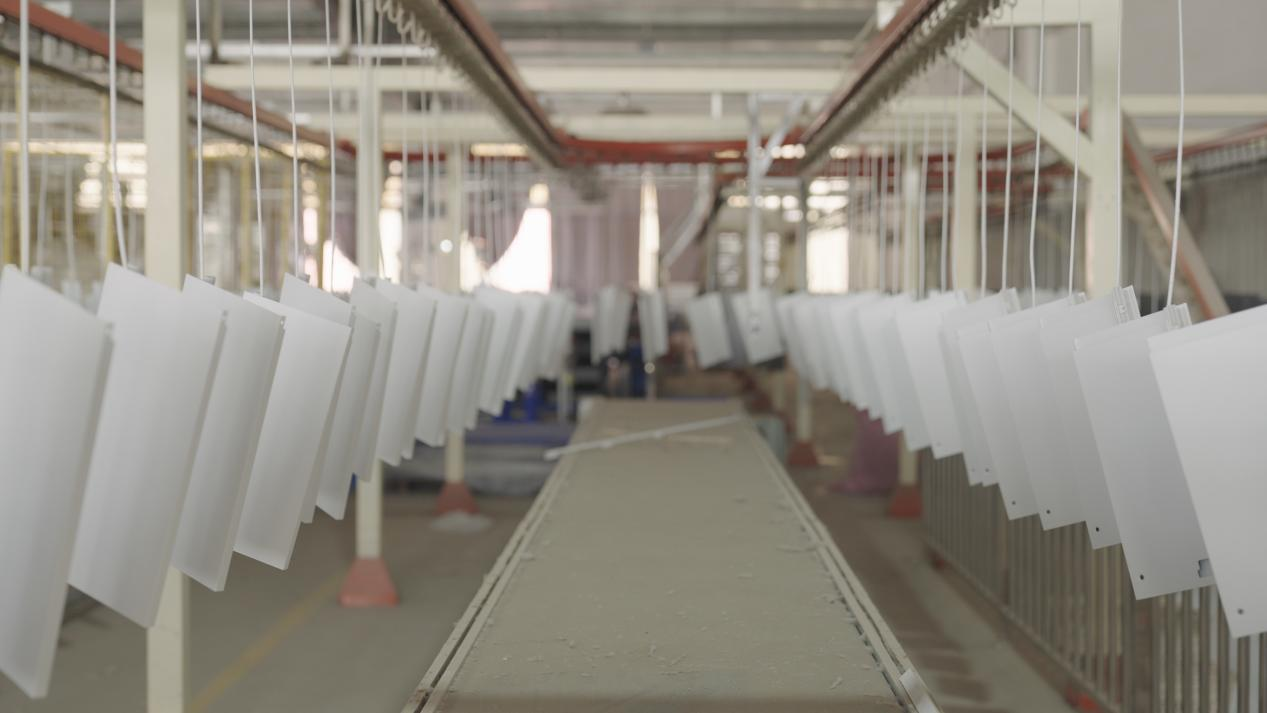
Chinese furniture hardware factories integrate the entire production chain, including steel stamping, injection molding, surface treatment, assembly, quality testing, and global export logistics. This full-chain integration significantly reduces cost while improving production efficiency.
Another major advantage is OEM and ODM flexibility. Chinese factories can customize product dimensions, structural designs, damping performance, branding, and packaging according to different market requirements. This level of flexibility is difficult for European brands to achieve due to standardized production systems.
China also leads in production scalability. Whether it is small batch sampling, medium-scale production, or full container export orders, Chinese furniture hardware factories can adjust rapidly according to global demand fluctuations.
Why Furniture Hardware Factory Selection Determines Furniture Brand Success
In the modern furniture industry, selecting a furniture hardware factory is no longer a secondary procurement decision. It directly influences product competitiveness.
There are five key dimensions that define factory value.
The first is motion engineering capability. This includes soft close stability, sliding smoothness, damping consistency, and long-term performance reliability. Poor motion systems will directly damage user experience even if the furniture design is premium.
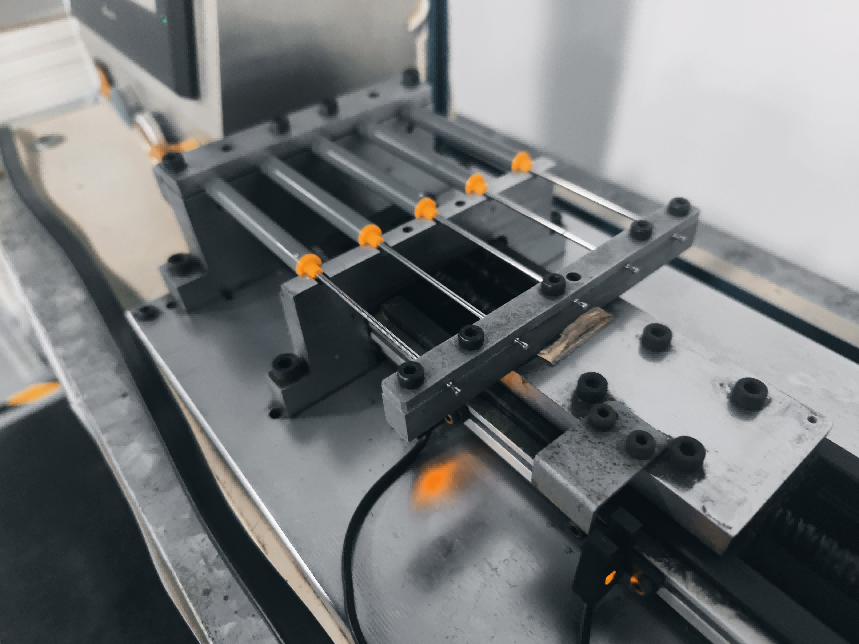
The second is structural durability. This refers to load-bearing performance, anti-deformation capability, and lifecycle testing standards. High-quality factories conduct long-term cycle testing to ensure product stability over years of usage.
The third is manufacturing scalability. A competitive factory must support rapid production scaling, stable lead times, and consistent supply capacity across global markets.
The fourth is OEM and ODM capability. Modern global buyers require private label production, structural customization, and market-specific adaptation.
The fifth is cost-to-performance optimization, which is often the decisive factor in large-scale procurement projects.
Case Study: Blum vs China Furniture Hardware Factory Model
Blum represents the European engineering benchmark model. Its advantages include extremely stable motion systems, high durability, and strong brand reputation. However, it has limitations in cost, customization flexibility, and scalability.
In contrast, China furniture hardware factory models, such as Garis-type manufacturers, focus on OEM-driven production systems. These factories offer strong cost-performance advantages, flexible customization, faster production cycles, and integrated supply chain control.
While brand recognition in premium European markets is still developing for Chinese factories, their role in global procurement continues to expand rapidly due to efficiency and scalability advantages.
Integrated Furniture Hardware Factory Model (Example: Garis System)
Modern Chinese furniture hardware factories such as Garis represent a fully integrated industrial model.
Their production system includes metal stamping, precision molding, surface treatment, automated assembly, and export packaging. Instead of focusing on single components, they now provide complete furniture motion systems.
Their product ecosystem includes concealed soft close slides, slim drawer systems, metal drawer structures, hydraulic hinges, and full cabinet fitting systems.
This system-level approach reduces supply chain complexity and improves installation efficiency for furniture manufacturers worldwide.
Industry Debate: Are Furniture Hardware Factories Replacing Global Brands?
The industry is currently divided into two perspectives.
One perspective argues that global brands will always dominate due to strong marketing influence, established trust, and premium positioning in European and North American markets.
The opposing perspective argues that furniture hardware factories now control real production capability, OEM customization, and supply chain efficiency.
In reality, the market is evolving into a hybrid procurement system. Premium projects still rely on brands, mass production projects rely on factories, and mid-market segments combine both approaches.
Future Trends of Furniture Hardware Factory Industry (2026–2035)
The future of furniture hardware factories is shaped by five major trends.
Smart furniture hardware systems are emerging, including sensor-based drawers and electric soft-close systems. Ultra-slim structural designs are becoming popular to maximize storage space. Sustainability manufacturing is gaining importance with recyclable materials and low-carbon production processes.
Additionally, modular furniture ecosystems are replacing traditional component-based manufacturing, while AI-driven manufacturing systems are improving production efficiency and quality control.
Procurement Guide: How to Select a Furniture Hardware Factory
Global buyers must evaluate factories based on production capacity, engineering strength, quality control systems, OEM capability, and export experience. These factors determine whether a factory can support long-term global cooperation.
Final Conclusion
Furniture hardware factories are no longer hidden industrial suppliers. They are now the core engineering foundation of the global furniture industry.
In 2026, the key question is no longer which furniture brand is better, but which furniture hardware factory is powering the system behind it.

Post time: Jul-10-2026


